华东师范大学学报(自然科学版) ›› 2026, Vol. 2026 ›› Issue (2): 176-186.doi: 10.3969/j.issn.1000-5641.2026.02.016

• FMCW雷达与信号处理 • 上一篇    

一种面向后向投影成像的高速自适应γ滤波硬件实现方案

程昱锟, 郝英建, 王敬虔, 黄磊磊*()   

  1. 华东师范大学 微电子电路与系统研究所, 上海 200241
  • 收稿日期:2025-10-22 出版日期:2026-03-25 发布日期:2026-04-03
  • 通讯作者: 黄磊磊 E-mail:llhuang@cee.ecnu.edu.cn
  • 基金资助:
    上海市科委资助(22DZ2229004)

A high-speed adaptive γ filtering hardware implementation scheme for back projection imaging

Yukun CHENG, Yingjian HAO, Jingqian WANG, Leilei HUANG*()   

  1. Institute of Microelectronic Circuits and Systems, East China Normal University, Shanghai 200241, China
  • Received:2025-10-22 Online:2026-03-25 Published:2026-04-03
  • Contact: Leilei HUANG E-mail:llhuang@cee.ecnu.edu.cn

摘要:

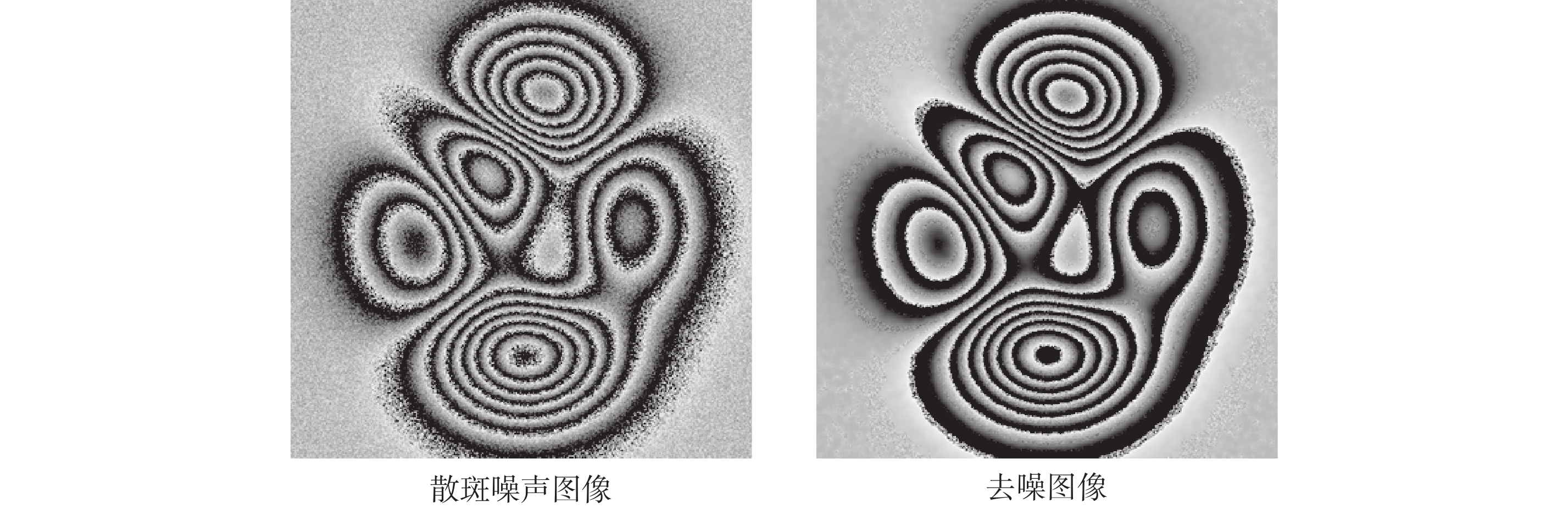
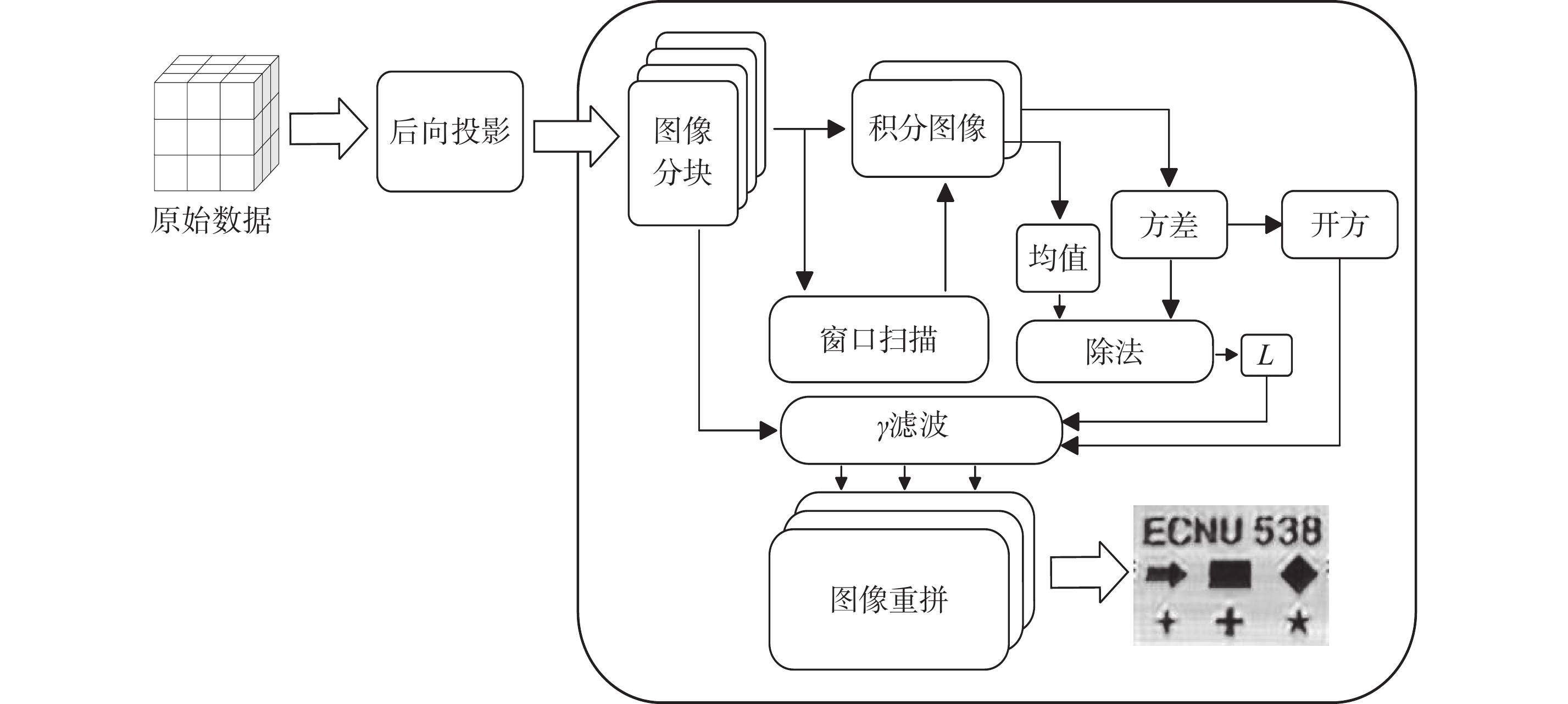
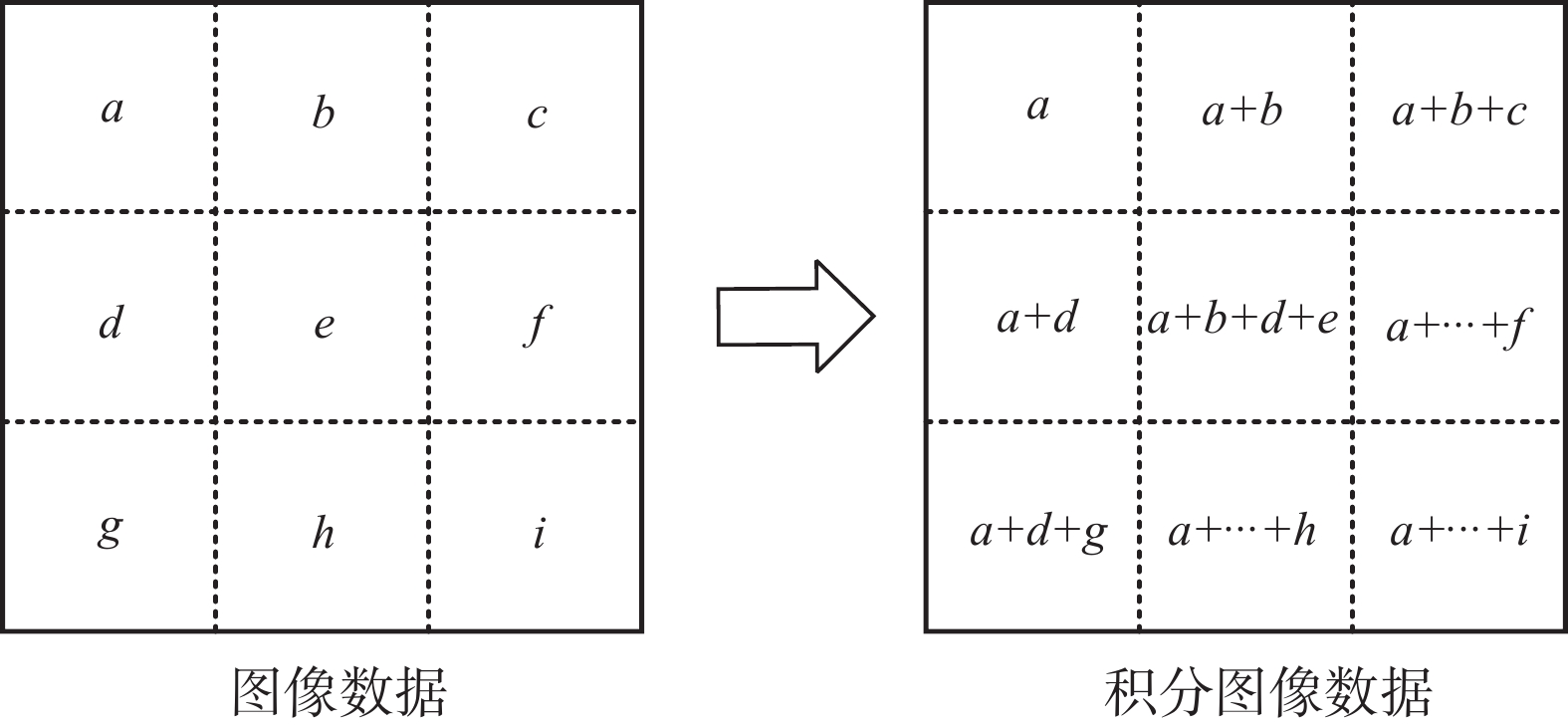
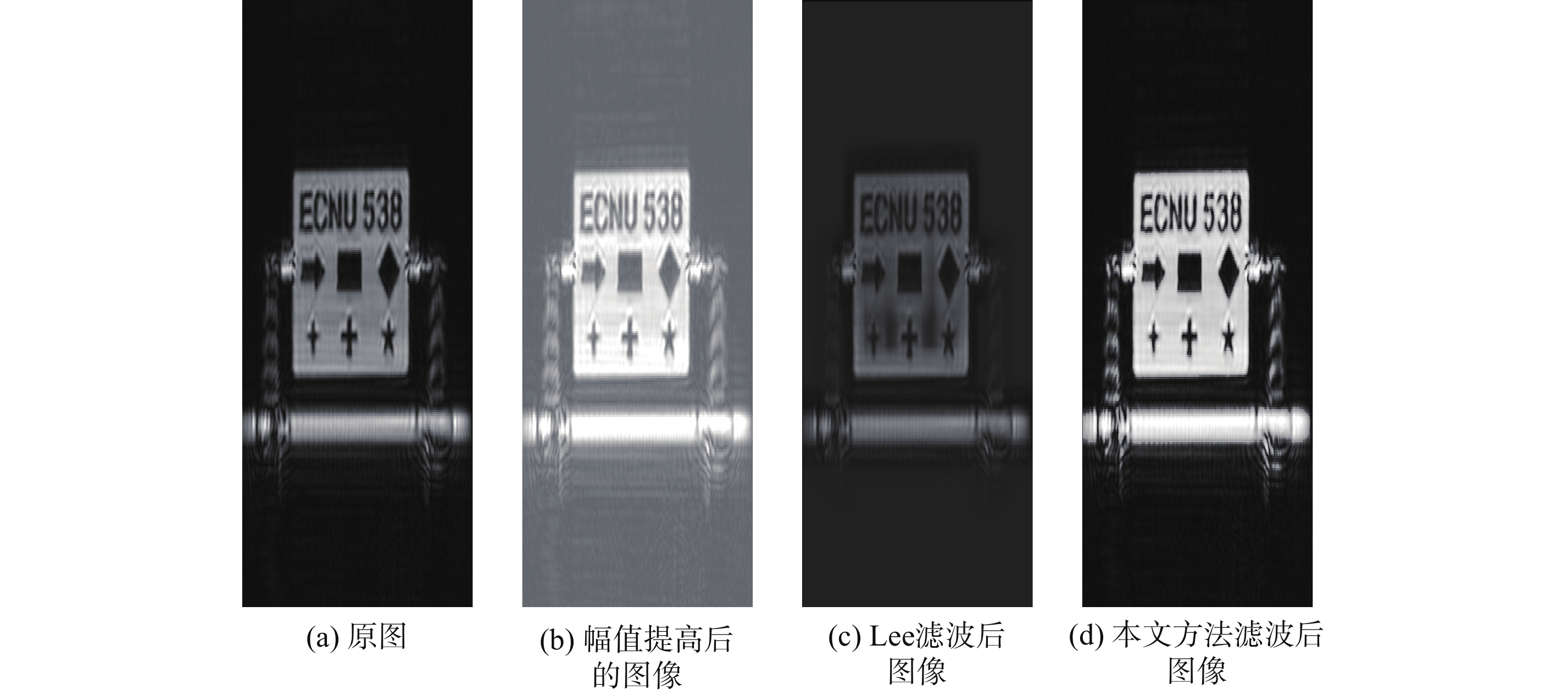
随着公共安全形势的日益复杂化, 室内安检对成像精度与实时性的需求持续提升. 传统的X射线及毫米波成像系统在安全性、分辨率及抗干扰能力方面存在不足, 近场合成孔径雷达凭借高分辨率与非接触优势成为重要发展方向. 后向投影算法虽然可实现精确聚焦, 但是散斑噪声显著影响图像质量, 限制其在工程领域的应用. 针对这一问题, 本文提出了一种面向后向投影成像的快速滤波策略及硬件化方案. 在算法层面, 通过积分图像快速计算局部统计量, 并结合自适应γ滤波建模, 实现高效散斑抑制, 同时清晰保留图像的边缘细节信息; 在硬件层面, 采用图像分块、多单元并行复用及流水线架构, 加速滤波运算并降低延时, 同时通过邻域扩展解决分块边缘失真问题. 实验表明, 该方法在300×300孔径数据场景下将滤波时间由600.78 ms缩短至6.67 ms, 等效视数由5.19提升至11.47, 边缘结构偏差由0.19降至0.13, 峰值信噪比达到39.27 dB, 显著优于传统的Lee滤波或者Kuan滤波. 硬件实现结果表明, 该架构在资源利用率和实时性方面均具优势, 验证了其在高效、可扩展的室内合成孔径雷达成像滤波中的实用性, 为新一代室内安检系统提供了可靠的技术支撑.

关键词: 自适应γ滤波, 积分图像, 图像分割

Abstract:

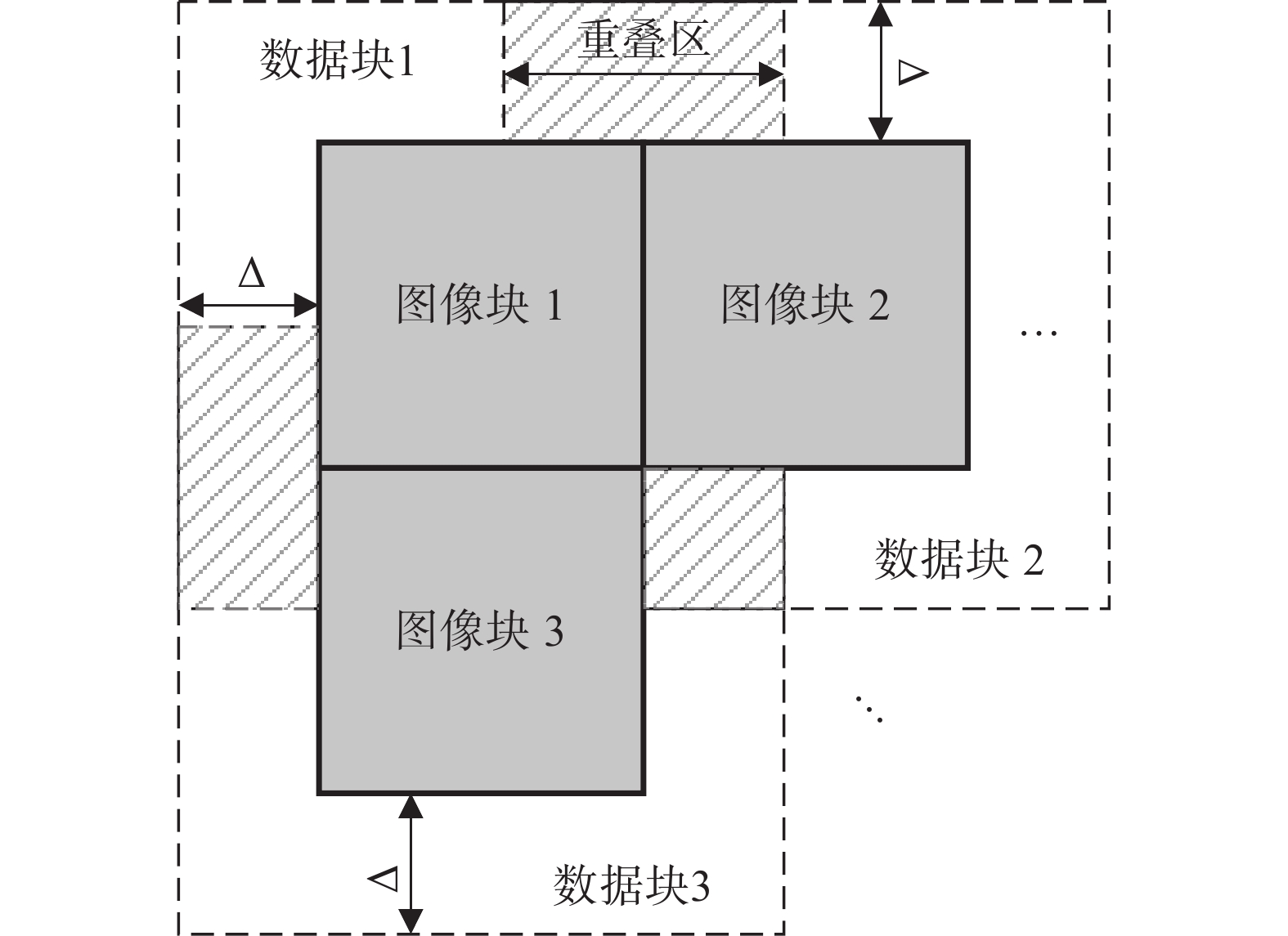
With the increasing complexity of public security, indoor security inspection demands higher imaging precision and real-time performance. Traditional X-ray and millimeter-wave imaging systems exhibit limitations in safety, resolution, and anti-interference capability. Near-field synthetic aperture radar, with its high resolution and non-contact advantages, has emerged as a promising alternative. However, although the back projection algorithm achieves precise focusing, speckle noise significantly degrades image quality, limiting its practical application. To address this issue, this paper proposes and implements a fast filtering strategy and hardware-oriented solution for back projection imaging. At the algorithm level, local statistics are rapidly computed using integral images, combined with adaptive γ modeling to achieve efficient speckle suppression while preserving edge details. At the hardware level, image blocking, multi-unit parallel reuse, and pipelined architecture are employed to accelerate filtering and reduce latency, while neighborhood extension is used to mitigate edge distortion caused by blocking. Experimental results demonstrate that, for a 300×300 synthetic aperture data, the filtering time is reduced to approximately 6.67 ms, equivalent number of looks increases from 5.19 to 11.47, edge structure deviation decreases from 0.19 to 0.13, and peak signal-to-noise ratio reaches 39.27 dB, significantly outperforming traditional Lee or Kuan filters. Hardware implementation results indicate that the proposed architecture achieves advantages in resource utilization and real-time performance, confirming its practicality in efficient and scalable indoor synthetic aperture radar image filtering and providing reliable technical support for next-generation indoor security inspection systems.

Key words: adaptive γ filtering, integral image, image partitioning

中图分类号: