| 1 |
Leiserson C E, Thompson N C, Emer J S, et al.. There’s plenty of room at the top: what will drive computer performance after Moore’s law?. Science, 2020, 368 (6495): eaam9744.
|
| 2 |
郭健美, 黄波, 刘通宇, 等. 软件系统优化 [M]. 北京: 机械工业出版社, 2025.
|
| 3 |
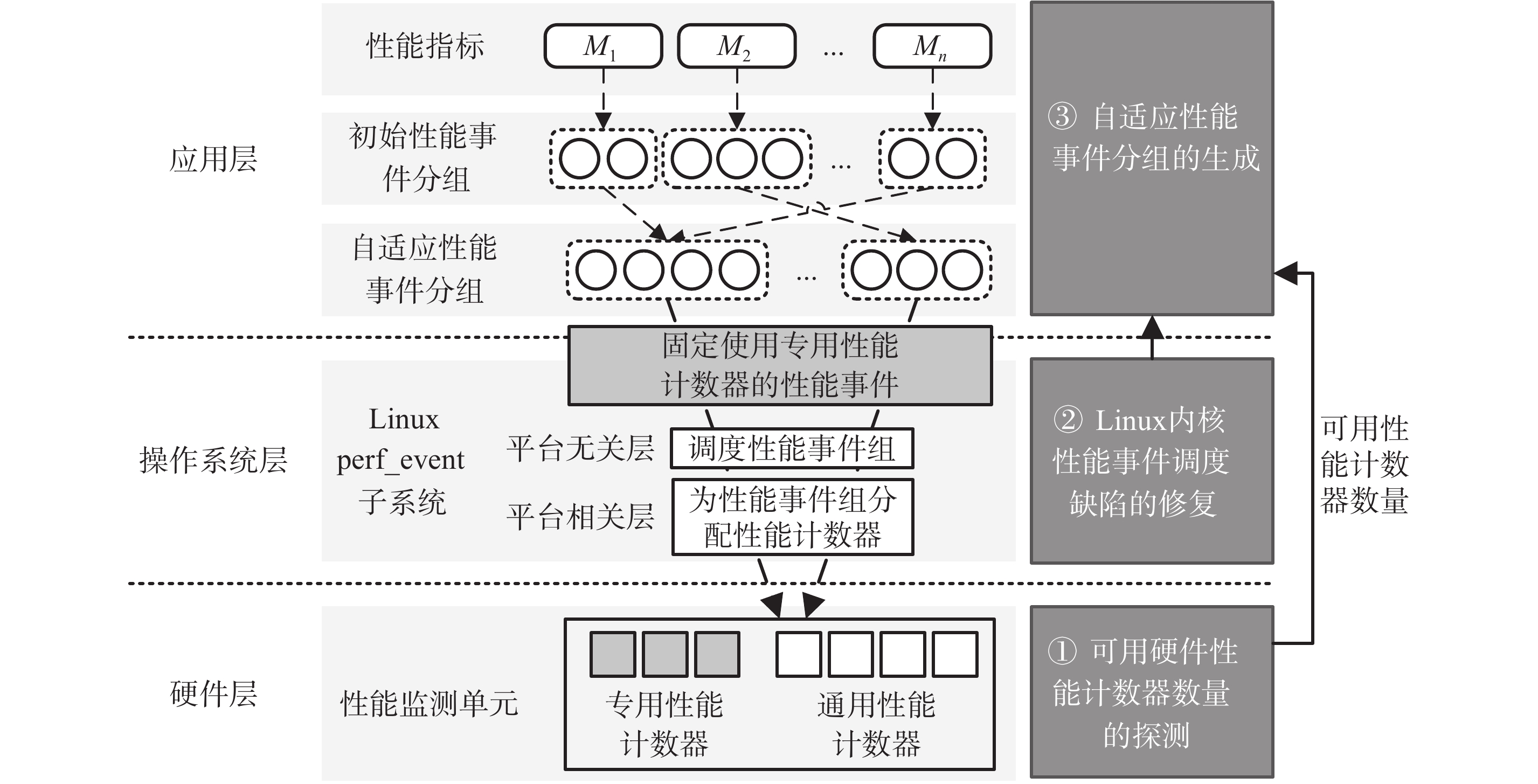
Liu T Y, Guo J M, Huang B.. Efficient cross-platform multiplexing of hardware performance counters via adaptive grouping. ACM Transactions on Architecture and Code Optimization, 2024, 21 (1): 1- 26.
|
| 4 |
Liu T Y, Cheng H L, Erqi E, et al.. Fragmentation harmonization for the Arm ecosystem: a unified method to measure memory bandwidth via network-on-chip. ACM Transactions on Architecture and Code Optimization, 2025, 22 (4): 1- 24.
|
| 5 |
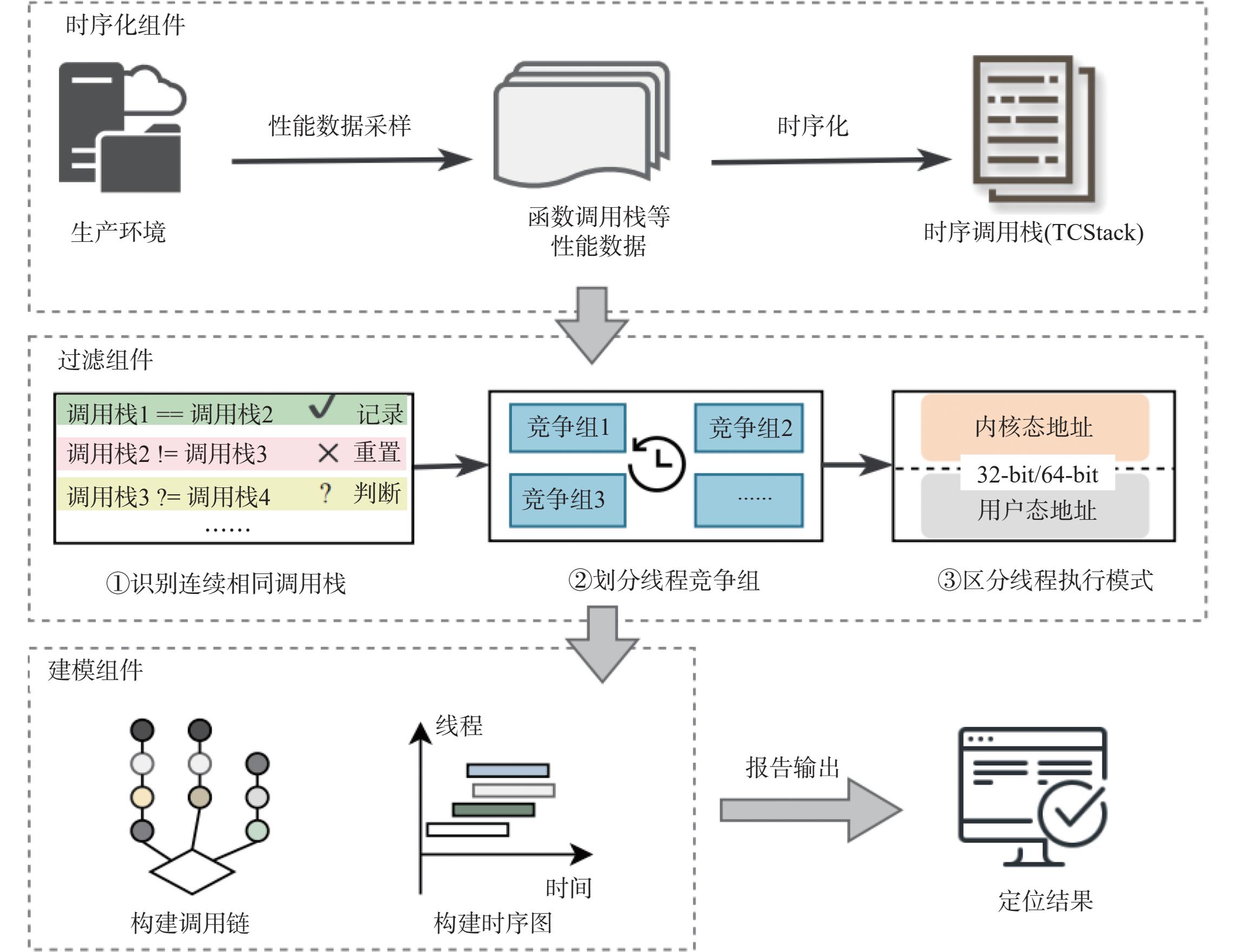
Li N, Guo J M, Huang B, et al.. TCSA: efficient localization of busy-wait synchronization bugs for latency-critical applications. IEEE Transactions on Parallel and Distributed Systems, 2024, 35 (2): 297- 309.
|
| 6 |
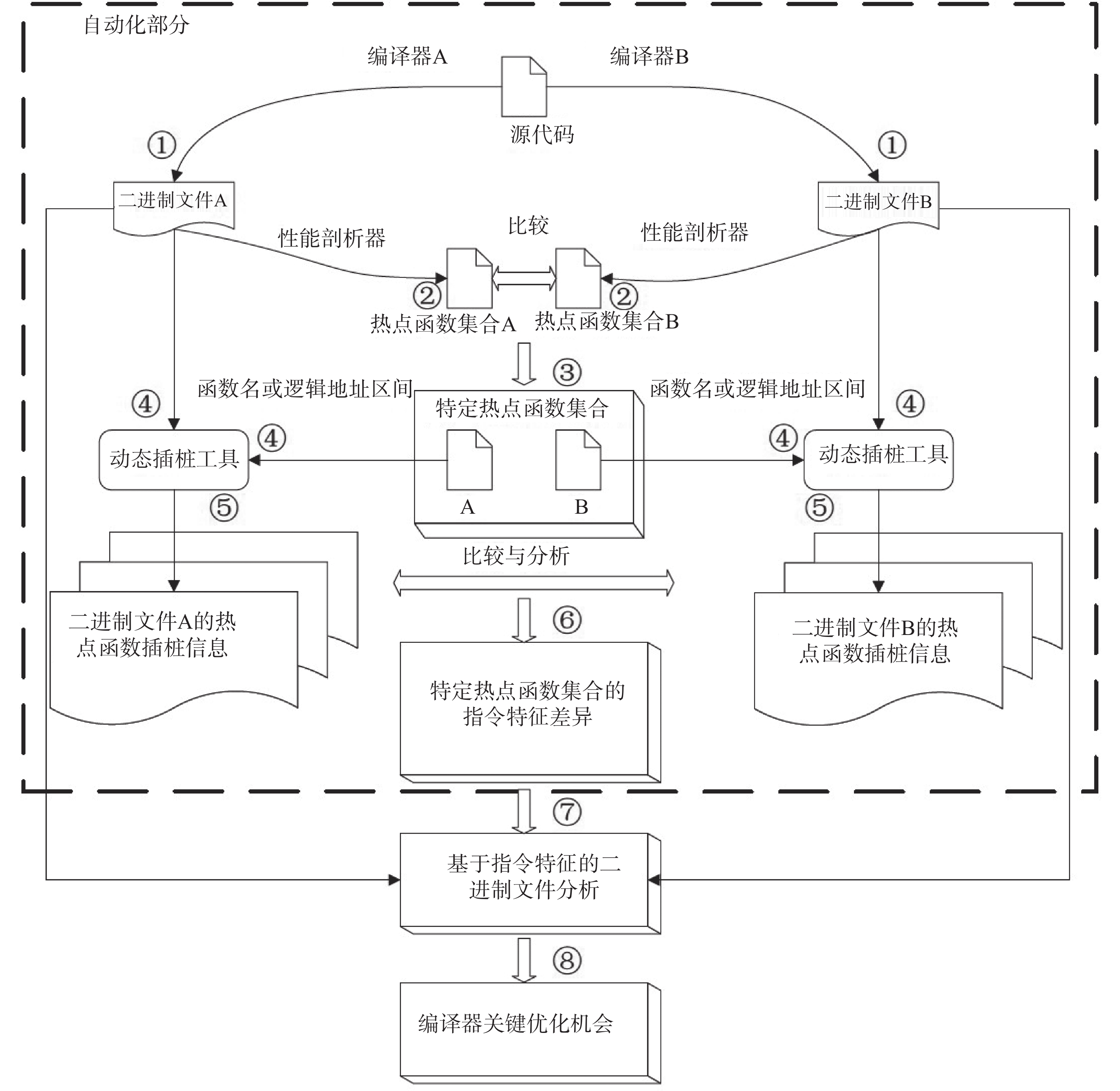
Mu W L, Zhang Y L, Huang B, et al. A hotspot-driven semi-automated competitive analysis framework for identifying compiler key optimizations [C]//Proceedings of the 32nd ACM SIGPLAN International Conference on Compiler Construction (CC). 2023: 216-227.
|
| 7 |
Tang Y, Wu M Z, Li Y F, et al. Dr.avx: a dynamic compilation system for seamlessly executing hardware-unsupported vectorization instructions [C]//2026 IEEE/ACM International Symposium on Code Generation and Optimization (CGO). IEEE, 2026: 403-415.
|
| 8 |
Zhang Y L, Chen Y Q, Shi J R, et al. CDMF: a cross-ISA data morphing framework to enhance library ABI compatibility in static binary translation [J]. ACM Transactions on Architecture and Code Optimization, 2026: 3795140.
|
| 9 |
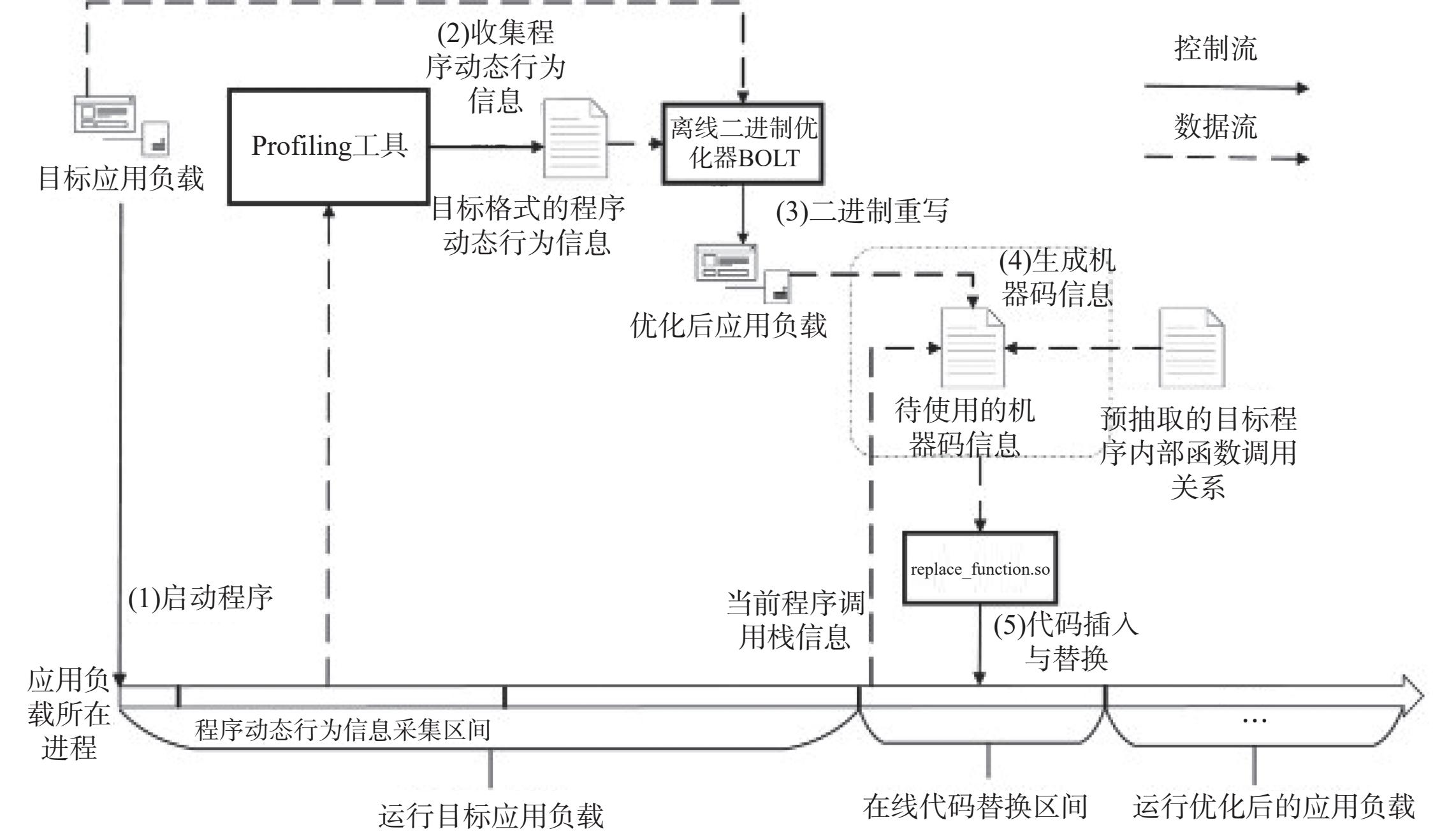
Mu W L, Tang Y, Huang B, et al.. AOBO: a fast-switching online binary optimizer on AArch64. ACM Transactions on Architecture and Code Optimization, 2025, 22 (2): 1- 27.
|
| 10 |
Mu W L, Li N, Ji Z M, et al.. FlexInstru: a flexible instrumentation framework for tracing long-running native workloads. Journal of Systems and Software, 2026, 234, 112739.
|
| 11 |
Liao H Y, Guo J M, Huang B, et al. DeployFix: dynamic repair of software deployment failures via constraint solving [C]//2024 39th IEEE/ACM International Conference on Automated Software Engineering (ASE). 2024: 2053-2064.
|
| 12 |
Liao H Y, Liu T Y, Guo J M, et al.. Retrospecting available CPU resources: SMT-aware scheduling to prevent SLA violations in data centers. IEEE Transactions on Parallel and Distributed Systems, 2025, 36 (1): 67- 83.
|
| 13 |
Treibig J, Hager G, Wellein G. LIKWID: a lightweight performance-oriented tool suite for x86 multicore environments [C]//2010 39th International Conference on Parallel Processing Workshops. IEEE, 2010: 207-216.
|
| 14 |
Arm. Arm Topdown tool [EB/OL]. [2026-07-10]. https://developer.arm.com/documentation/109542/02/Arm-Telemetry-Solution-for-software-profiling--tools/Arm-telemetry-specification-and-profiling-tools/Arm-Topdown-tool.
|
| 15 |
Li Y Y, Li N, Zhang Y L, et al. Hmem: a holistic memory performance metric for cloud computing [C]//Benchmarking, Measuring, and Optimizing (Bench 2023). 2024: 171-187.
|
| 16 |
Intel. Intel SDE64 [EB/OL]. [2026-07-10]. https://www.intel.com/content/www/us/en/developer/articles/tool/software-development-emulator.html.
|
| 17 |
Zhang Y L, Liao H Y, Wang Z K, et al.. EFACT: an external function auto-completion tool to strengthen static binary lifting. Journal of Systems and Software, 2024, 215, 112092.
|
| 18 |
张义磊, 杨佳宁, 郭健美, 等.. 二进制翻译研究综述. 小型微型计算机系统, 2025, 46 (4): 987- 1002.
|
| 19 |
GitHub. Box64 [EB/OL]. [2026-07-10]. https://github.com/ptitSeb/box64.
|

 ), Shu XU1,2,3, Bo HUANG1,2,3,*(
 中文核心期刊