J* E* C* N* U* N* S* ›› 2026, Vol. 2026 ›› Issue (1): 132-139.doi: 10.3969/j.issn.1000-5641.2026.01.012

• Exploration of Synergistic Pathways for Watershed Pollution Control and Carbon Neutrality • Previous Articles    

A bottom-up high-resolution water pollutant emission inventory accounting method and spatial analysis

Yujie WANG1,2,3(), Mi XUE1,2,3, Jinhong LUO2,4,*(), Weifeng ZHANG1,2,3, Xiujuan MA1,2,3, Cheng ZHANG1,2,3   

  1. 1. Shanxi Provincial Institute of Ecological Environment Planning and Technology Research, Taiyuan 030009, China
    2. Shanxi Key Laboratory of Water Pollution Prevention and Utilization, Taiyuan 030009, China
    3. National Joint Research Center for Ecological Conservation and High Quality Development of the Yellow River Basin, Beijing 100012, China
    4. Shanxi Provincial Center for Ecological and Environmental Monitoring and Emergency Response, Taiyuan 030024, China
  • Received:2025-07-24 Accepted:2025-11-21 Online:2026-01-25 Published:2026-01-29
  • Contact: Jinhong LUO E-mail:wyj408032118@163.com;sxhbljh@163.com

Abstract:

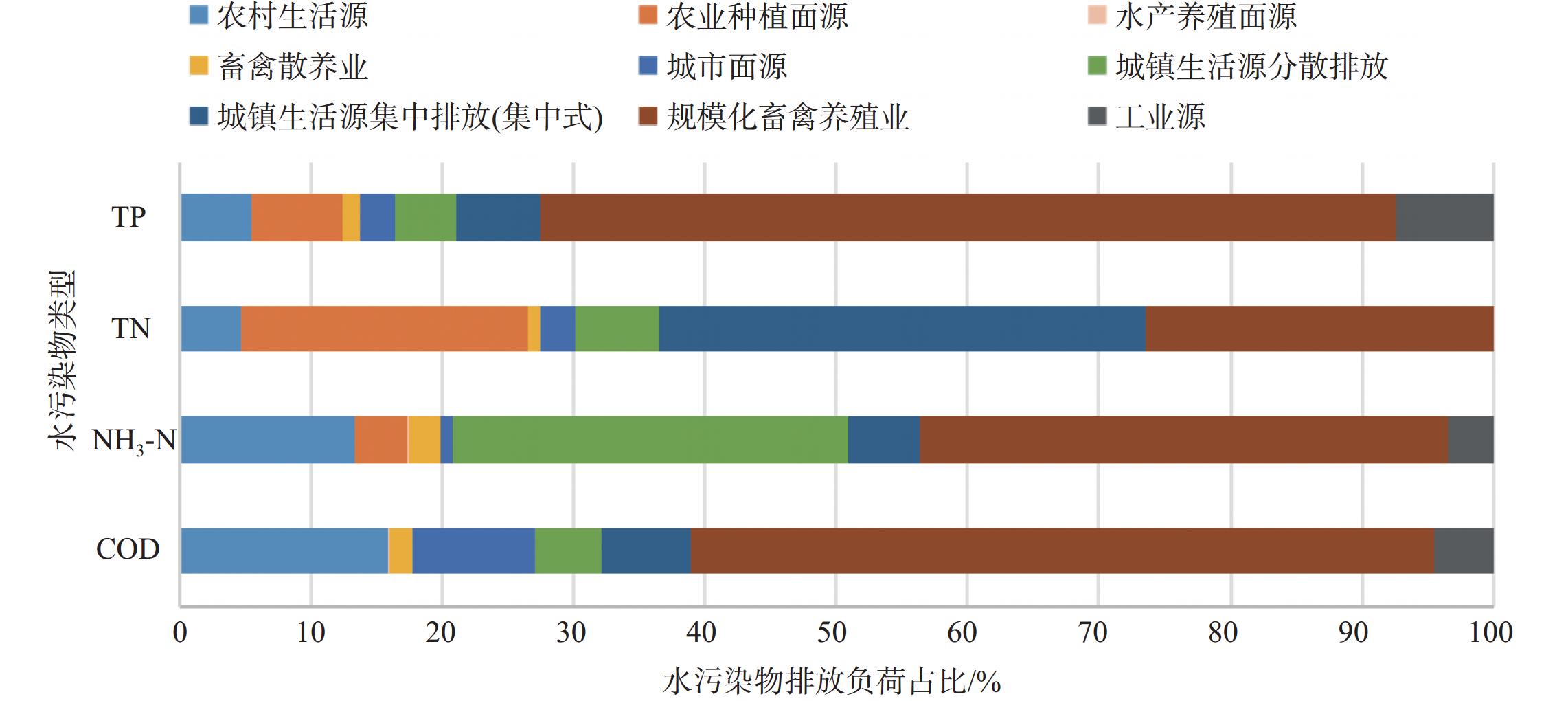
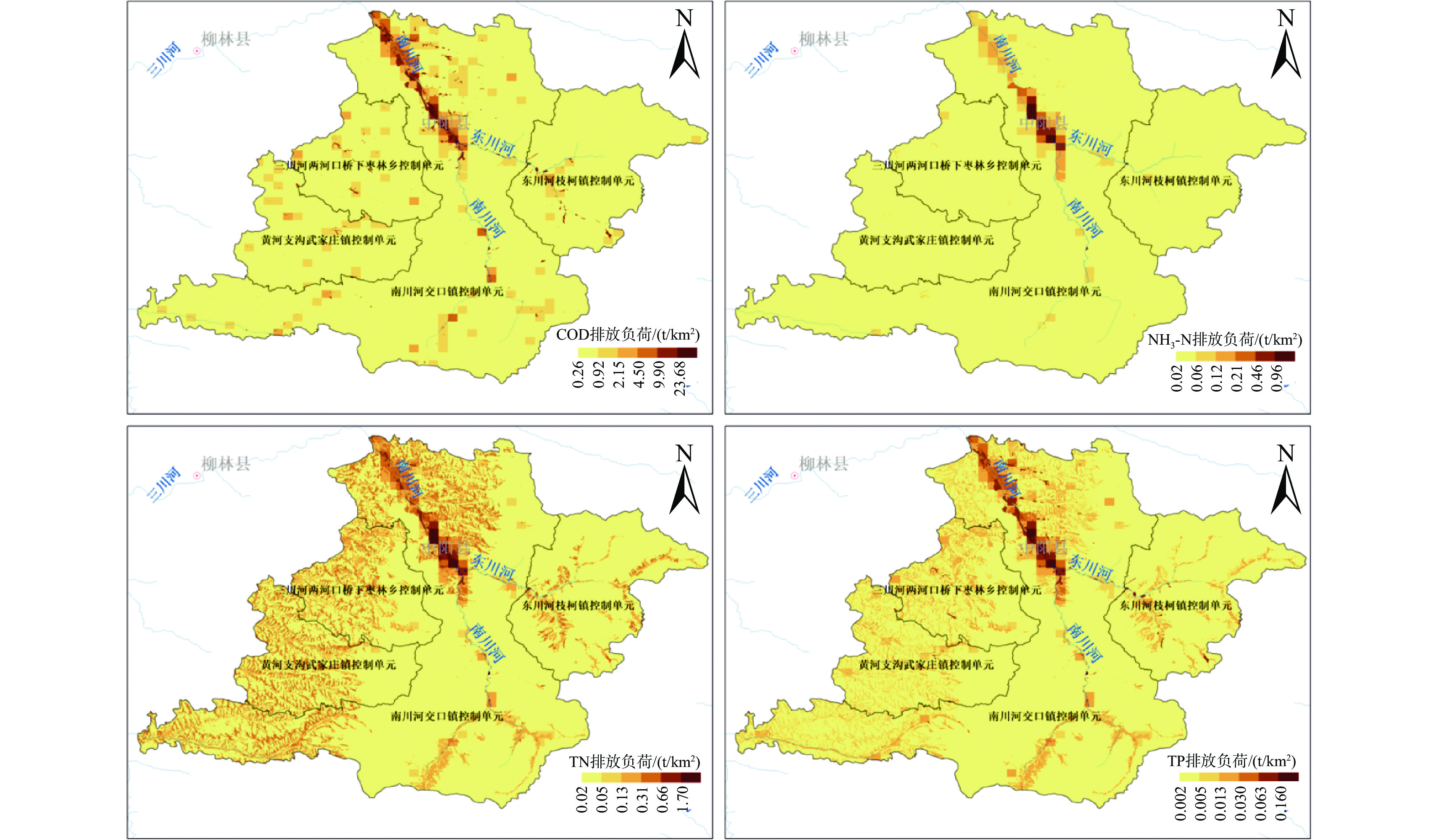
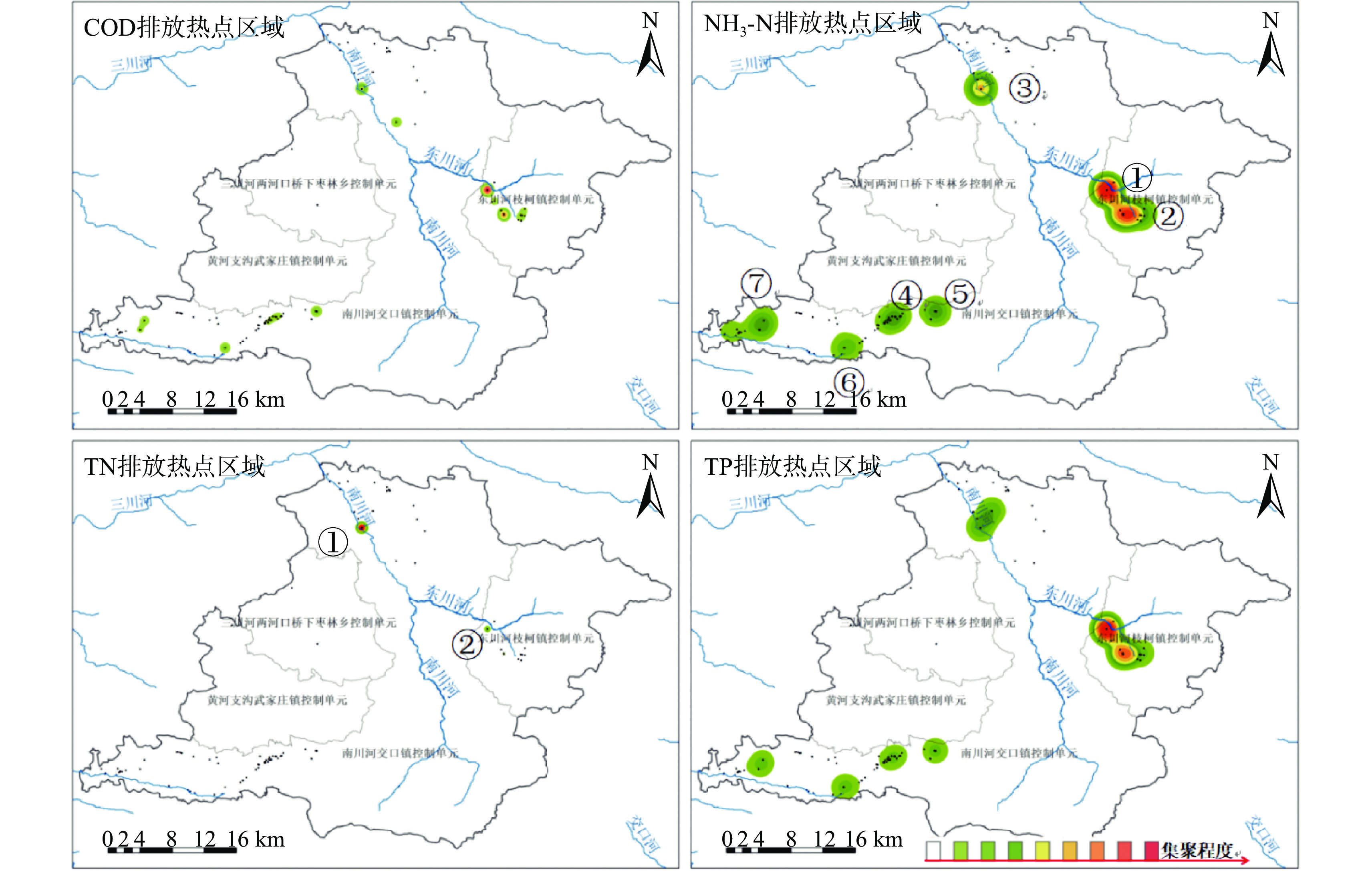
To address the spatial resolution limitations of water pollutant emission inventories, this study employed ArcGIS spatial analysis technology and adopted a bottom-up innovative accounting approach to minimize errors derived from allocating administrative-level emissions to spatial grids. A high-resolution water pollutant emission inventory system was developed across three-tiered grid, control unit, and watershed scales. Focusing on the Nanchuan River Basin, a typical Loess Plateau mountainous watershed, the study comprehensively detailed the compilation process of this spatially refined inventory. Emissions of chemical oxygen demand (COD), ammonia nitrogen (NH3-N), total nitrogen (TN), and total phosphorus (TP) from various pollution sources were quantified, and the spatial emission characteristics of non-point and point sources were revealed through pollutant load per unit area statistics and kernel density analysis. The study produced several key findings: (1) The bottom-up accounting method proved feasible, establishing a grid-scale high-resolution emission inventory system that aligns with watershed ecological protection planning and partitioned environmental management needs, thereby supporting refined water environmental governance. (2) Point sources dominated pollutant emissions in the Nanchuan River Basin (contributing 69.72% of COD and 80.16% of TP), with large-scale livestock farming as the primary source (58.39% of total COD). (3) Rural and urban non-point sources were significant, jointly accounting for nearly one-fourth of COD emissions. (4) Emissions exhibited high spatial concentration along the mainstream of the Nanchuan River and the banks of the Dongchuan River. This inventory research and emission data robustly supported the “one city, one policy” initiative under the Joint Research on Ecological Protection and High-Quality Development in the Yellow River Basin, demonstrating substantial practical significance.

Key words: bottom-up, high-resolution, emission inventory, spatial distribution, the Yellow River Basin

CLC Number: