
 中文核心期刊
J* E* C* N* U* N* S* ›› 2026, Vol. 2026 ›› Issue (3): 56-68.doi: 10.3969/j.issn.1000-5641.2026.03.005
• Carbon Cycling Processes and Organic Matter Characteristics • Previous Articles Next Articles
Ming GE, Linjing REN*( ), Ying HUANG, Xiuzhen LI
Received:2025-02-28
Accepted:2025-11-21
Online:2026-05-25
Published:2026-05-27
Contact:
Linjing REN
E-mail:ljren@sklec.ecnu.edu.cn
CLC Number:
Ming GE, Linjing REN, Ying HUANG, Xiuzhen LI. Driving mechanisms of carbon fluxes by functional traits in Phragmites australis and Spartina alterniflora dominated salt marshes of the Yangtze River Estuary[J]. J* E* C* N* U* N* S*, 2026, 2026(3): 56-68.
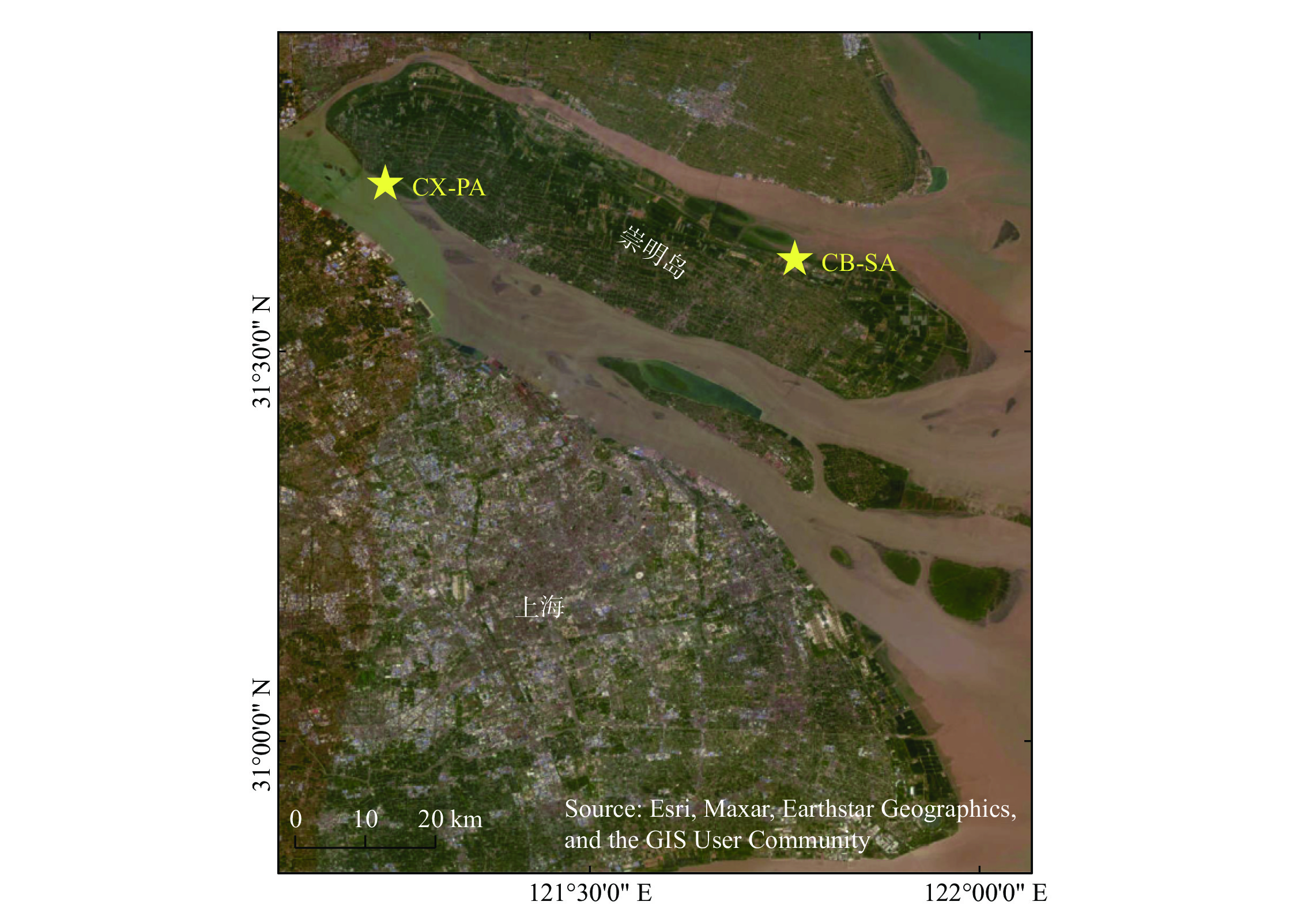
Fig.1
Study area"
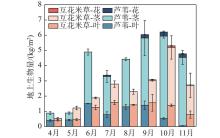
Fig.2
Aboveground biomass of Spartina alterniflora and Phragmites australis"
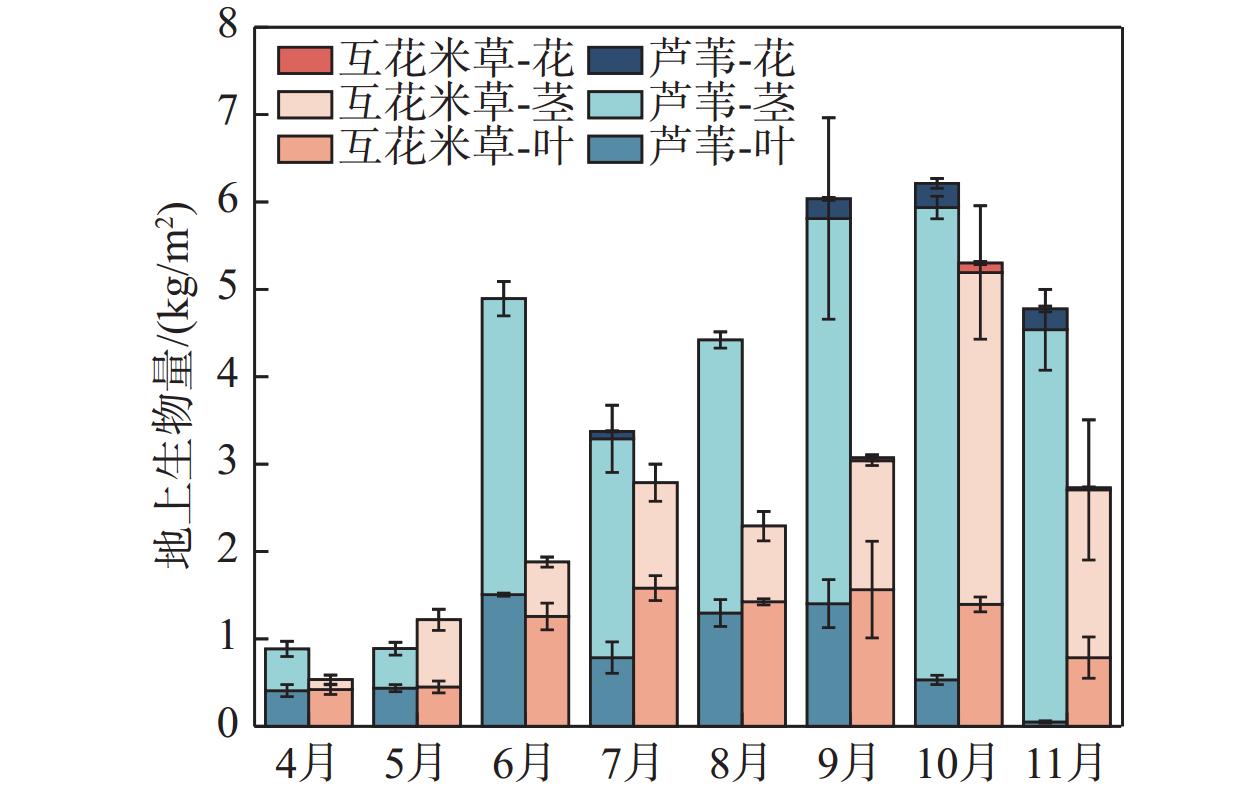
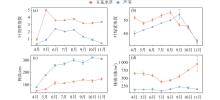
Fig.3
Morphological and leaf traits of Spartina alterniflora and Phragmites australis"
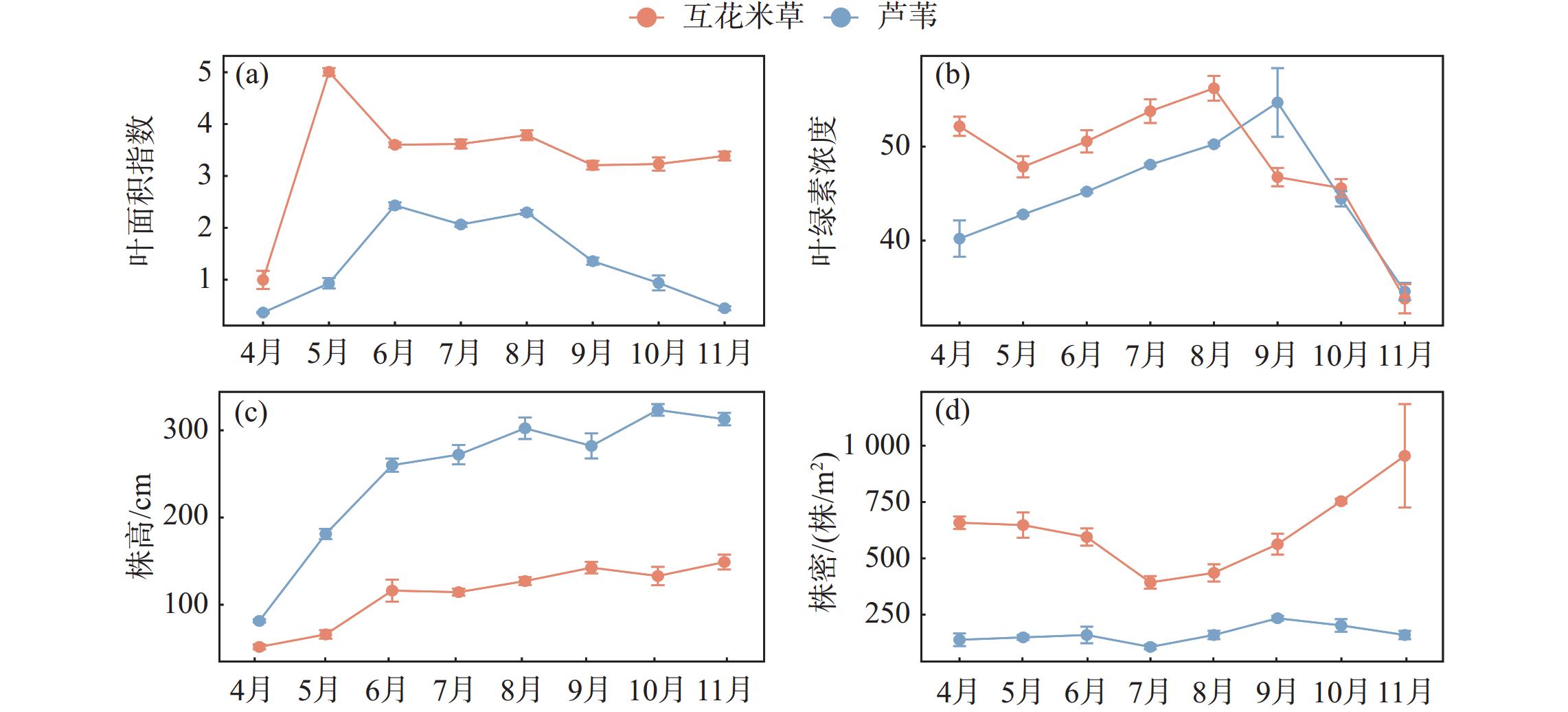

Table 1
Carbon and nitrogen content and C/N ratios of Spartina alterniflora and Phragmites australis"
| 含碳量/(mg/g) | 含氮量/(mg/g) | 碳氮比/% | |
| 互花米草-花 | 38.57±0.52 a | 1.85±0.15 ab | 21.47±1.63 d |
| 互花米草-茎 | 38.29±0.30 a | 0.69±0.03 c | 56.09±2.65 a |
| 互花米草-叶 | 33.44±1.30 a | 0.91±0.04 bc | 37.05±1.32 b |
| 芦苇-花 | 21.06±9.47 b | 1.87±0.84 ab | 5.64±2.53 e |
| 芦苇-茎 | 38.03±1.95 a | 1.46±0.21 abc | 29.07±4.09 c |
| 芦苇-叶 | 41.18±0.70 a | 2.45±0.29 a | 18.10±2.25 d |
Fig.4
Photosynthetic physiological characteristics of Spartina alterniflora and Phragmites australis"
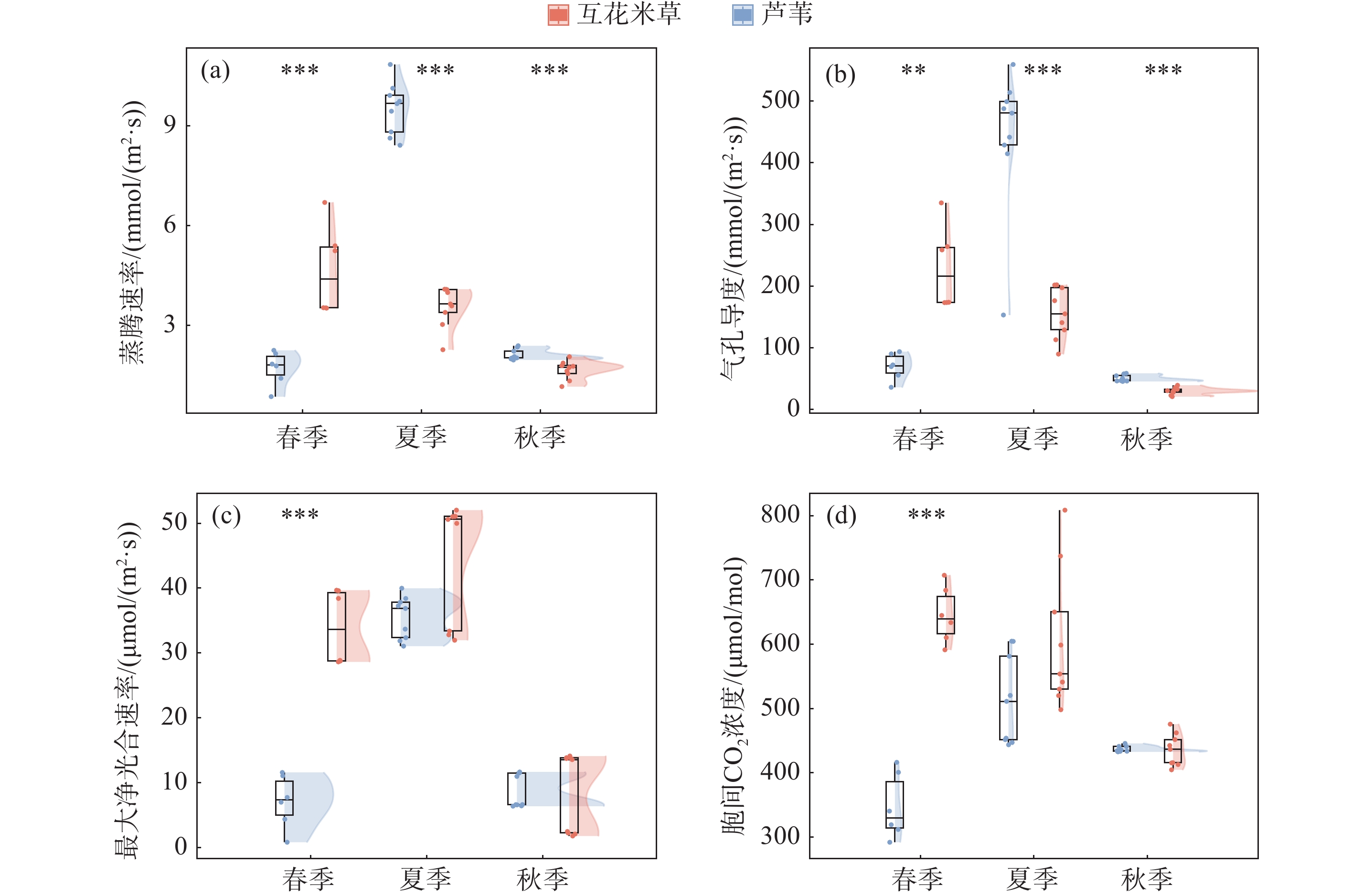
Fig.5
Correlation of plant photosynthetic physiological properties with LAI and chlorophyll concentration"
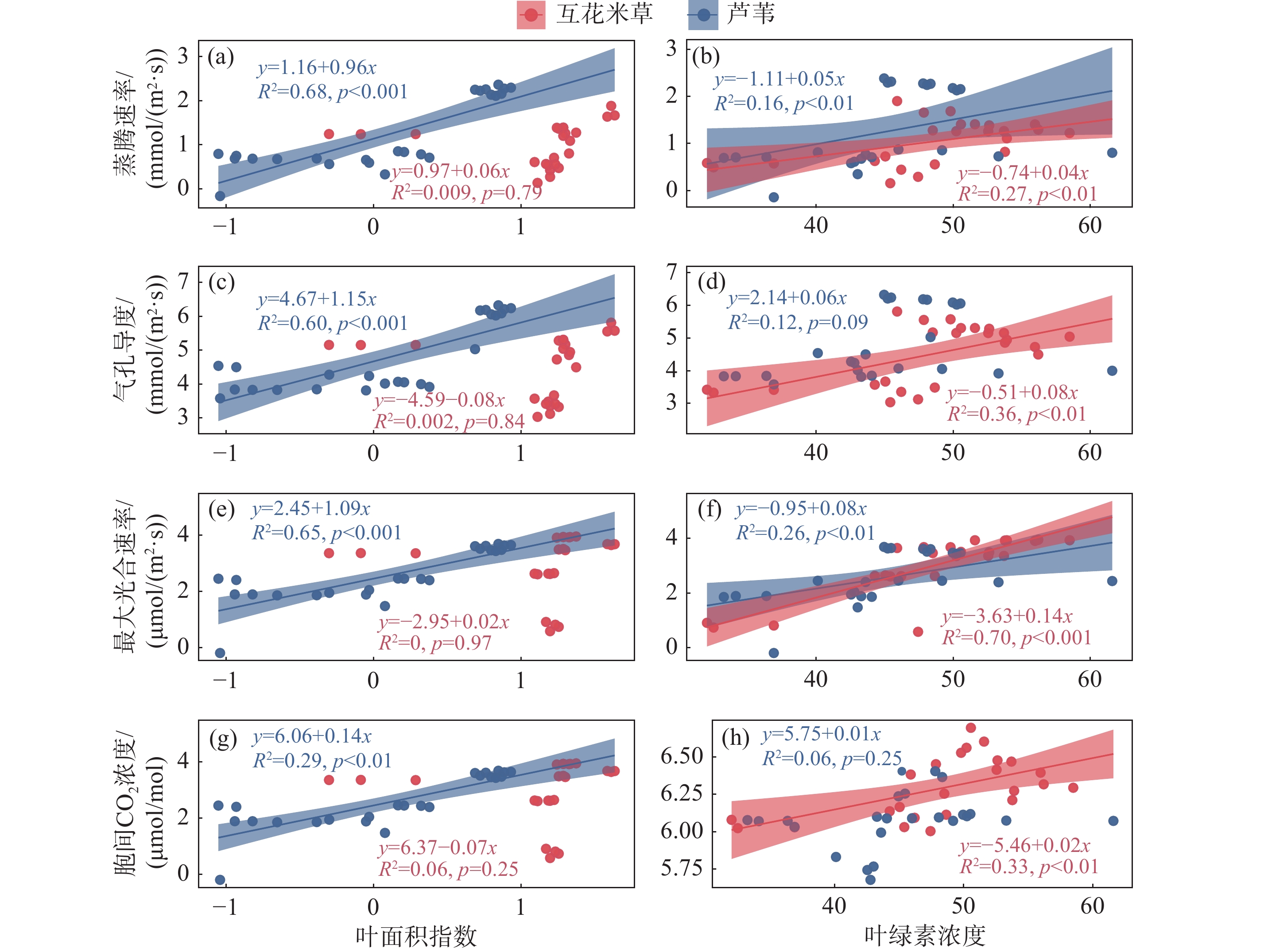
Fig.6
Carbon fluxes and methane emissions of Spartina alterniflora and Phragmites australis"
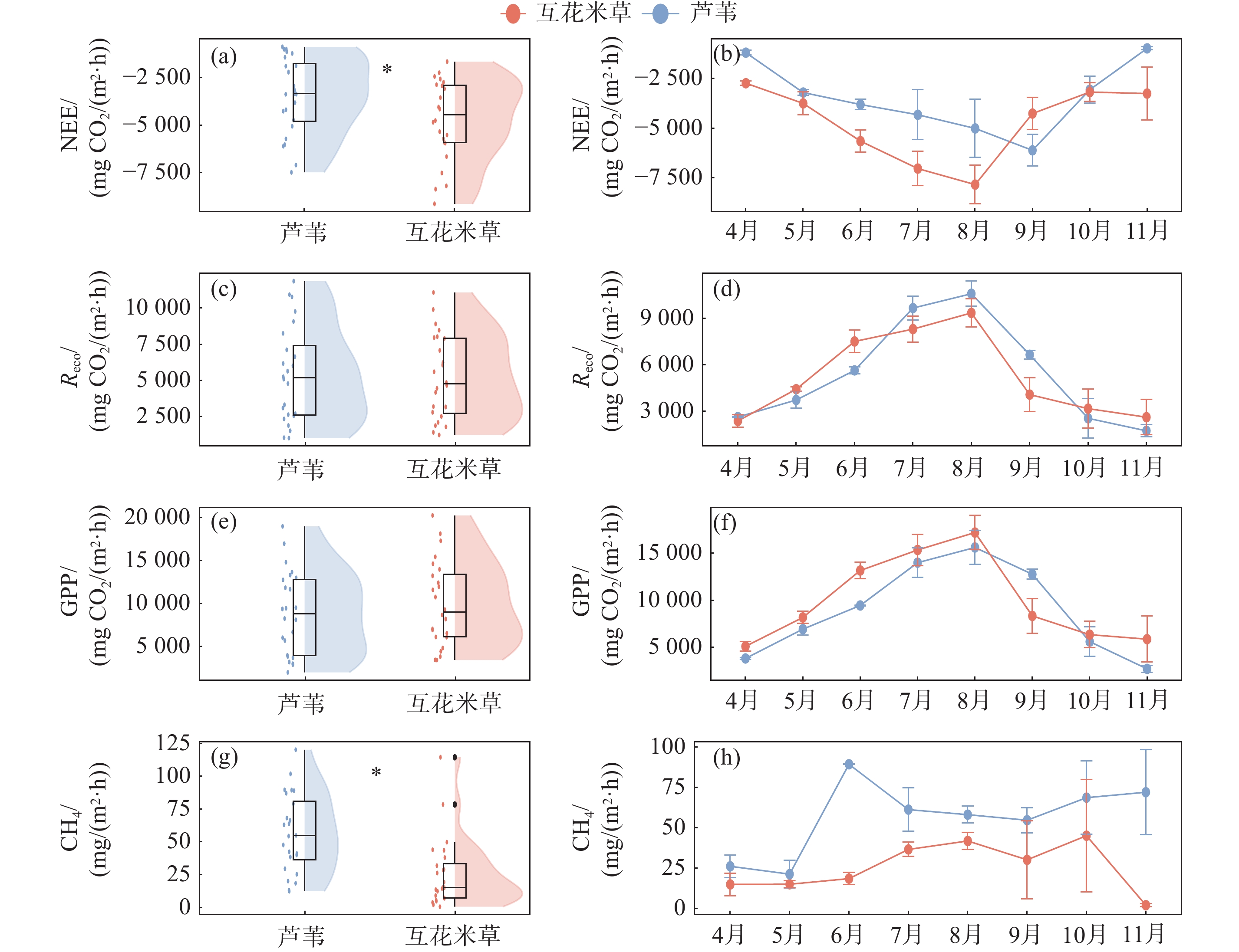
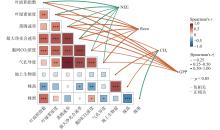
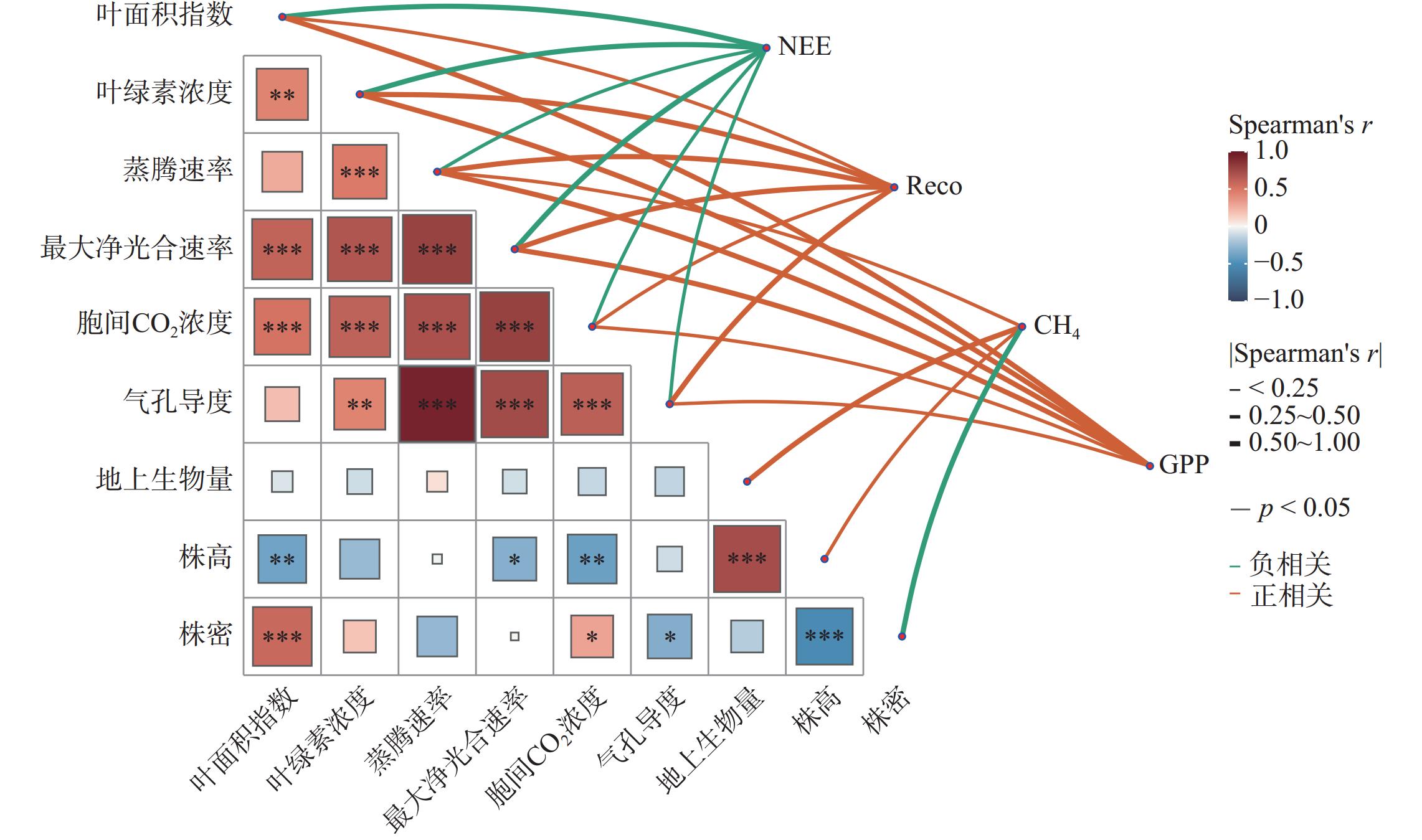
Fig.7
Spearman's correlation analysis of carbon fluxes and methane emissions with plant functional traits"
| 1 | MAO D H, WANG Z M, DU B J, et al.. National wetland mapping in China: A new product resulting from object-based and hierarchical classification of Landsat 8 OLI images. ISPRS Journal of Photogrammetry and Remote Sensing, 2020, 164, 11- 25. |
| 2 | WANG X X, XIAO X M, ZOU Z H, et al.. Mapping coastal wetlands of China using time series Landsat images in 2018 and Google Earth Engine. ISPRS Journal of Photogrammetry and Remote Sensing, 2020, 163, 312- 326. |
| 3 | MACREADIE P I, ANTON A, RAVEN J A, et al.. The future of blue carbon science. Nature Communications, 2019, 10 (1): 3998. |
| 4 | MCLEOD E, CHMURA G L, BOUILLON S, et al.. A blueprint for blue carbon: Toward an improved understanding of the role of vegetated coastal habitats in sequestering CO2. Frontiers in Ecology and the Environment, 2011, 9 (10): 552- 560. |
| 5 | KRAFT N J B, GODOY O, LEVINE J M.. Plant functional traits and the multidimensional nature of species coexistence. Proceedings of the National Academy of Sciences of the United States of America, 2015, 112 (3): 797- 802. |
| 6 | AUGUSTO L, BOČA A.. Tree functional traits, forest biomass, and tree species diversity interact with site properties to drive forest soil carbon. Nature Communications, 2022, 13, 1097. |
| 7 | CORTOIS R, SCHRÖDER-GEORGI T, WEIGELT A, et al.. Plant–soil feedbacks: Role of plant functional group and plant traits. Journal of Ecology, 2016, 104 (6): 1608- 1617. |
| 8 | DÍAZ S, LAVOREL S, DE BELLO F, et al.. Incorporating plant functional diversity effects in ecosystem service assessments. Proceedings of the National Academy of Sciences of the United States of America, 2007, 104 (52): 20684- 20689. |
| 9 | WEN Z, ZHENG H, SMITH J R, et al.. Functional diversity overrides community-weighted mean traits in linking land-use intensity to hydrological ecosystem services. Science of the Total Environment, 2019, 682, 583- 590. |
| 10 | DÍAZ S, CABIDO M.. Vive la différence: Plant functional diversity matters to ecosystem processes. Trends in Ecology & Evolution, 2001, 16 (11): 646- 655. |
| 11 | HUXLEY J D, WHITE C T, HUMPHRIES H C, et al.. Plant functional traits are dynamic predictors of ecosystem functioning in variable environments. Journal of Ecology, 2023, 111 (12): 2597- 2613. |
| 12 | ROSCHER C, SCHUMACHER J, GUBSCH M, et al.. Using plant functional traits to explain diversity-productivity relationships. PLoS One, 2012, 7 (5): e36760. |
| 13 | XU M, SHANG H.. Contribution of soil respiration to the global carbon equation. Journal of Plant Physiology, 2016, 203, 16- 28. |
| 14 | DE DEYN G B, QUIRK H, YI Z, et al.. Vegetation composition promotes carbon and nitrogen storage in model grassland communities of contrasting soil fertility. Journal of Ecology, 2009, 97 (5): 864- 875. |
| 15 | LI R D, XU C L, WU Z S, et al.. Optimizing canopy-spacing configuration increases soybean yield under high planting density. The Crop Journal, 2025, 13 (1): 233- 245. |
| 16 | BONAN G B.. Land-Atmosphere interactions for climate system models: Coupling biophysical, biogeochemical, and ecosystem dynamical processes. Remote Sensing of Environment, 1995, 51 (1): 57- 73. |
| 17 | CHEN J M, CIHLAR J.. Retrieving leaf area index of boreal conifer forests using Landsat TM images. Remote Sensing of Environment, 1996, 55 (2): 153- 162. |
| 18 | LANDRY P, GORKA M J, GRUSZECKI E, et al.. Chlorophylls as primary electron acceptors in photosynthetic reaction centers. Biophysical Journal, 2024, 123 (3): 247a. |
| 19 | POORTER H, NAGEL O.. The role of biomass allocation in the growth response of plants to different levels of light, CO2, nutrients and water: A quantitative review. Australian Journal of Plant Physiology, 2000, 27 (6): 595- 607. |
| 20 | LAMBERS H, OLIVERIRA R S. Plant Physiological Ecology[M]. Cham, Switzerland: Springer International Publishing, 2019. |
| 21 | LAW B.. Nitrogen deposition and forest carbon. Nature, 2013, 496, 307- 308. |
| 22 | BALIGAR V C, FAGERIA N K, HE Z L.. Nutrient use efficiency in plants. Communications in Soil Science and Plant Analysis, 2001, 32 (7/8): 921- 950. |
| 23 | STRIKER G G, INSAUSTI P, GRIMOLDI A A, et al. Trade-off between root porosity and mechanical strength in species with different types of aerenchyma [J]. Plant, Cell & Environment, 2007, 30(5): 580-589. |
| 24 | HILLEBRAND H, MATTHIESSEN B.. Biodiversity in a complex world: Consolidation and progress in functional biodiversity research. Ecology Letters, 2009, 12 (12): 1405- 1419. |
| 25 | LIANG W Z, CHEN X G, CHEN Z L, et al.. Unraveling the impact of Spartina alterniflora invasion on greenhouse gas production and emissions in coastal saltmarshes: New insights from dissolved organic matter characteristics and surface-porewater interactions. Water Research, 2024, 262, 122120. |
| 26 | WANG J L, YU G R, HAN L, et al.. Ecosystem carbon exchange across China’s coastal wetlands: Spatial patterns, mechanisms, and magnitudes. Agricultural and Forest Meteorology, 2024, 345, 109859. |
| 27 | YUAN J J, DING W X, LIU D Y, et al.. Exotic Spartina alterniflora invasion alters ecosystem–atmosphere exchange of CH4 and N2O and carbon sequestration in a coastal salt marsh in China. Global Change Biology, 2015, 21 (4): 1567- 1580. |
| 28 | CHENG X L, PENG R H, CHEN J Q, et al.. CH4 and N2O emissions from Spartina alterniflora and Phragmites australis in experimental mesocosms. Chemosphere, 2007, 68 (3): 420- 427. |
| 29 | TAN L S, GE Z M, ZHOU X H, et al.. Conversion of coastal wetlands, riparian wetlands, and peatlands increases greenhouse gas emissions: A global meta-analysis. Global Change Biology, 2020, 26 (3): 1638- 1653. |
| 30 | WANG M, WANG Q, SHA C Y, et al.. Spartina alterniflora invasion affects soil carbon in a C3 plant-dominated tidal marsh. Scientific Reports, 2018, 8, 628. |
| 31 | ZHENG X J, JAVED Z, LIU B, et al.. Impact of Spartina alterniflora invasion in coastal wetlands of China: Boon or bane?. Biology, 2023, 12 (8): 1057. |
| 32 | UDDLING J, GELANG-ALFREDSSON J, PIIKKI K, et al.. Evaluating the relationship between leaf chlorophyll concentration and SPAD-502 chlorophyll meter readings. Photosynthesis Research, 2007, 91 (1): 37- 46. |
| 33 | TANG J W, YE S F, CHEN X C, et al.. Coastal blue carbon: Concept, study method, and the application to ecological restoration. Science China Earth Sciences, 2018, 61 (6): 637- 646. |
| 34 | BUBIER J L, MOORE T R, BLEDZKI L A.. Effects of nutrient addition on vegetation and carbon cycling in an ombrotrophic bog. Global Change Biology, 2007, 13 (6): 1168- 1186. |
| 35 | NIU S L, WU M Y, HAN Y, et al.. Nitrogen effects on net ecosystem carbon exchange in a temperate steppe. Global Change Biology, 2010, 16 (1): 144- 155. |
| 36 | DAVIDSON E A, BELK E, BOONE R D.. Soil water content and temperature as independent or confounded factors controlling soil respiration in a temperate mixed hardwood forest. Global Change Biology, 1998, 4 (2): 217- 227. |
| 37 | YANG H L, TANG J W, ZHANG C S, et al.. Enhanced carbon uptake and reduced methane emissions in a newly restored wetland. Journal of Geophysical Research: Biogeosciences, 2020, 125 (1): e2019JG005222. |
| 38 | 周成. 滨海湿地植被光合作用与荧光特性的动态研究 [D]. 上海: 华东师范大学, 2021. |
| 39 | SAGE R F.. The evolution of C4 photosynthesis. New Phytologist, 2004, 161 (2): 341- 370. |
| 40 | SCHLÜTER U, WEBER A P M.. Regulation and evolution of C4 photosynthesis. Annual Review of Plant Biology, 2020, 71, 183- 215. |
| 41 | SAGE R F, KUBIEN D S.. Quo vadis C4? An ecophysiological perspective on global change and the future of C4 plants. Photosynthesis Research, 2003, 77, 209- 225. |
| 42 | COLMER T D. Long-distance transport of gases in plants: A perspective on internal aeration and radial oxygen loss from roots [J]. Plant, Cell & Environment, 2003, 26(1): 17-36. |
| 43 | FALQUETTO-GOMES P, SILVA W J, SIQUEIRA J A, et al.. From epidermal cells to functional pores: Understanding stomatal development. Journal of Plant Physiology, 2024, 292, 154163. |
| 44 | PEARCY R W, EHLERINGER J. Comparative ecophysiology of C3 and C4 plants [J]. Plant, Cell & Environment, 1984, 7(1): 1-13. |
| 45 | 赵广琦, 张利权, 梁霞.. 芦苇与入侵植物互花米草的光合特性比较. 生态学报, 2005, 25 (7): 1604- 1611. |
| 46 | MENDELSSOHN I A, MCKEE K L, PATRICK W H.. Oxygen deficiency in Spartina alterniflora roots: Metabolic adaptation to Anoxia. Science, 1981, 214 (4519): 439- 441. |
| 47 | MAXWELL K, JOHNSON G N.. Chlorophyll fluorescence—a practical guide. Journal of Experimental Botany, 2000, 51 (345): 659- 668. |
| 48 | KRUSE O, RUPPRECHT J, MUSSGNUG J H, et al.. Photosynthesis: A blueprint for solar energy capture and biohydrogen production technologies. Photochemical & Photobiological Sciences, 2005, 4 (12): 957- 970. |
| 49 | 张晓涵, 田慧敏, 陈雪初, 等.. 长江口横沙岛不同发育年限盐沼植被生长特征及其固碳功能差异. 华东师范大学学报(自然科学版), 2024 (1): 113- 121. |
| 50 | GE M, REN L J, YANG D, et al.. Invasion of Spartina species enhance blue carbon functions by increasing CO2 uptake and reducing methane emissions in Chinese and Danish coastal wetlands. Journal of Cleaner Production, 2025, 508, 145596. |
| 51 | BRIX H, SORRELL B K, ORR P T.. Internal pressurization and convective gas flow in some emergent freshwater macrophytes. Limnology and Oceanography, 1992, 37 (7): 1420- 1433. |
| 52 | VROOM R J E, VAN DEN BERG M, PANGALA S R, et al.. Physiological processes affecting methane transport by wetland vegetation–A review. Aquatic Botany, 2022, 182, 103547. |
| 53 | 葛铭. 入侵与本土植物驱动微生物协同调控对滨海盐沼碳汇的差异影响 [D]. 上海: 华东师范大学, 2025. |
| 54 | MÄÄTTÄ T, MALHOTRA A.. The hidden roots of wetland methane emissions. Global Change Biology, 2024, 30 (2): e17127. |
| 55 | 李润, 陈洁南, 陈灏, 等.. 河口盐沼水体溶解态有机质的动态变化特征及降解转化机理——以上海崇明东滩盐沼湿地为例. 华东师范大学学报(自然科学版), 2025 (2): 55- 67. |
| 56 | 刘博远, 陈雪初, 张晓涵, 等.. 秸秆埋藏对富营养化盐沼湿地碳汇功能的影响. 华东师范大学学报(自然科学版), 2025 (2): 34- 41. |
| [1] | Cheng ZHOU, Ying HUANG, Hualei YANG, Minghui DU, Ying ZHANG, Jianwu TANG. Photosynthesis and fluorescence characteristics of mangrove Kandelia candel leaves in southern Zhejiang Province [J]. Journal of East China Normal University(Natural Science), 2022, 2022(3): 90-100. |
| [2] | Yuanyuan LI, Kankan SHANG, Xijin ZHANG, Kun SONG. Vessel characteristics and the density-size relationship of woody plantsat the Shanghai Chenshan Botanical Garden [J]. Journal of East China Normal University(Natural Science), 2021, 2021(2): 142-150. |
| [3] | WANG Xiao-Yan, YANG Shu-Zhen, ZHAO Ming-Shui, LUO Yuan, CUI Min-Yan, LI Yuan-Yuan. Comparative diurnal variations in photosynthesis and transpiration of endangered plant species, Ostrya rehderiana and Acer yangjuechi [J]. Journal of East China Normal University(Natural Sc, 2015, 2015(2): 113-121. |
| [4] | ZHAO Lei, YANG Hai-bo, WANG Da-li,ZHANG Na, WANG Xi-hua. Seedlings photosynthesis traits and non-structural carbohydrate storage of common species in Tiantong National Forest Park, Zhejiang Province [J]. Journal of East China Normal University(Natural Sc, 2011, 2011(4): 35-44. |
| [5] | KANG Min-ming;ZHANG Qi-ping;DU Jing;SHEN Chen-chen;DA Liang-jun;. Experimental ecology research on destroyed evergreen broad leaved forests in TNFP, Zhejiang (Ⅵ): Leaf traits and ecological adaptation of five main dominant species during the early stage of restoration after different disturbances [J]. Journal of East China Normal University(Natural Sc, 2010, 2010(3): 26-38. |
| Viewed | ||||||
|
Full text |
|
|||||
|
Abstract |
|
|||||
